
Long showers and public spaces
Let's just skip the wasting of the water (just for the thought process) and focus on the needs


After seeing this interaction on Twitter, I'd like to write a quick thought explaining that, as far as I'm concerned, making 'hot showers' part of the landscape is the ultimate goal of landscape architecture: being able to create landscapes, in urban and non-urban environments, where water is used to create waterfalls or micro waterfalls of hot water, using all the imagination, creativity, and technology (even extremely low-tech) possible to make this a feasible scenario. But the point here is not just about a fantasy,

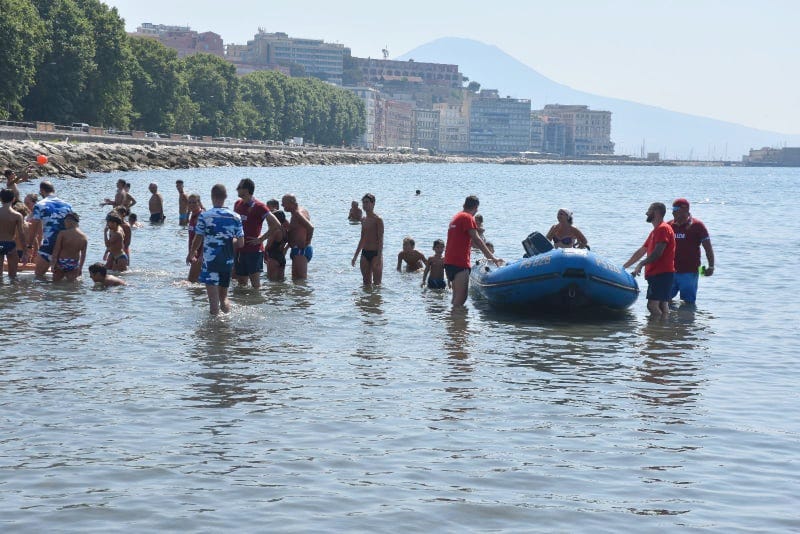
we're reflecting on what it means to have a public space where one can feel free, safe, and able to relax, intervened not for economic profit, but for spiritual and biological profit. Imagine the socioeconomic progress if our cities were designed to create well-being and peace.
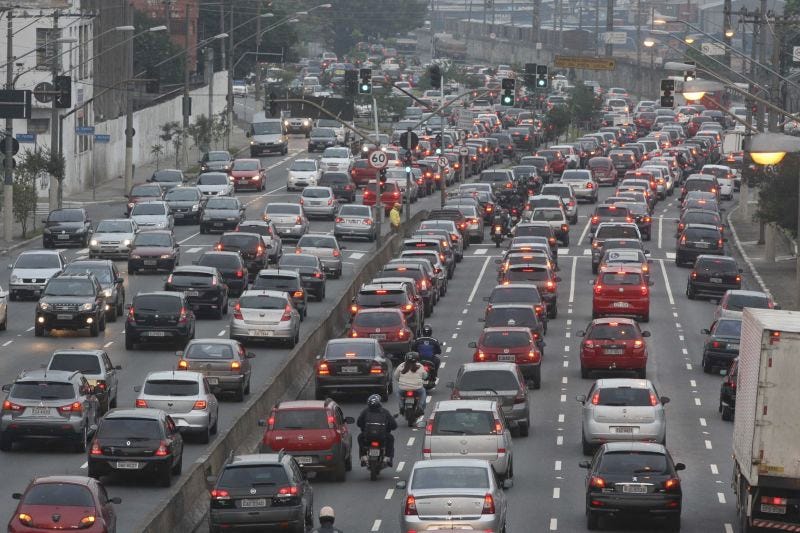
But we prefer to kill children with cars and with the promise of a shitty future as an underpaid worker in our society.
"That's child's fantasy" Yes, I thought about this as a child, living near cows, hearing stories of workers who used to bathe after work in plastic tubs or in covered buckets heated by the sun, or in overheated metal left covered with fresh manure, or heated by plant waste.

Richard Feynman said that children are all scientists, curious, trying to ask questions that are hard to answer and that “Science is just imagination in a straitjacket”. Yet today we know that many scientists are asked not to be curious, but to fill out forms and publish articles with almost certain results to please industry categorizations, rather than spending their lives seeking answers to important questions.
Similarly, many of us as designers are not asked to solve problems at their root, but to please wealthy but short-sighted clients, or an audience blinded by the terror of the unknown.
If only there were streams, pools, hot waterfalls, using a truly scientific thought, considering the hierarchy of knowledge and expertise, giving proper weight to economics as to biology, perhaps our culture would be populated by mature and healthy adults, not frightened and lonely wrinkled children. We invest billions to make more billions, to put patents on wealth in new ways. We invest billions to develop new deadly technologies, we invest peanuts to make more efficient and cheaper those that would really improve people's lives.
At least we could try, and see how the attempt would bring us. We could fail, but it would be for a good cause. And when we hear that an attempt at making the environment of our city less polluted, less dangerous, fails, we're happy. It's not human nature: it's culture.